
How to Build a Vibrant Social Circle After Moving to a Retirement Community
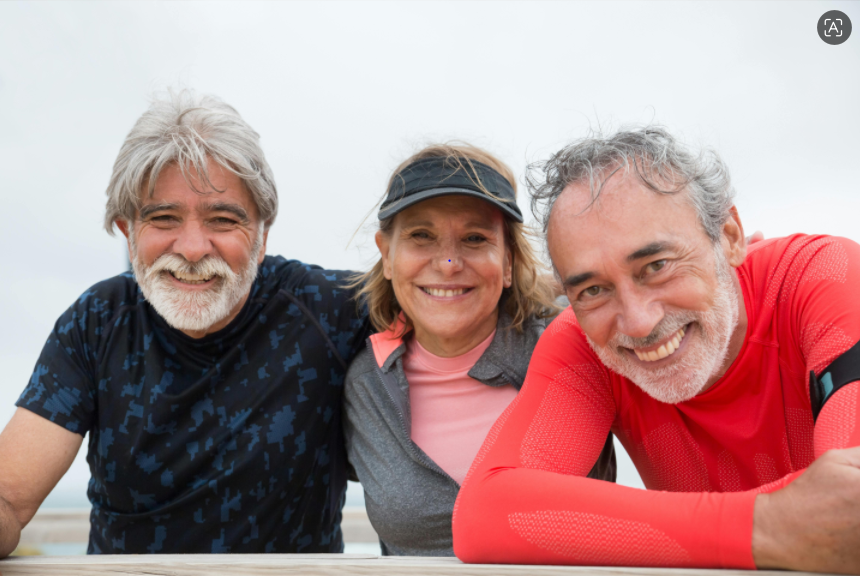
Relocating to a retirement community marks the beginning of a new chapter filled with opportunities for connection, growth, and enrichment. While the transition can bring excitement, it may also come with uncertainty, especially when it comes to building a new social circle. Establishing meaningful relationships in a fresh environment does not happen instantly, but with intention and openness, it is entirely achievable. A vibrant social life in a retirement setting can support emotional well-being, encourage active lifestyles, and create a strong sense of belonging.
Embrace Opportunities to Meet New People
The first step in building a social circle is simply being open to meeting others. Retirement communities are designed with shared spaces and communal activities that naturally bring people together. Residents often find opportunities to connect in dining areas, recreational spaces, and social gatherings. Instead of waiting for others to initiate conversation, consider taking the lead by introducing yourself.
Small interactions can lay the groundwork for deeper relationships over time. Sitting with someone new during a meal or attending a group event can open the door to common interests and shared experiences. Being approachable and friendly helps others feel comfortable doing the same. Even brief conversations can evolve into lasting connections when nurtured consistently.
Get Involved in Activities and Clubs
Participation is one of the most effective ways to establish friendships. Many retirement communities offer a wide range of clubs and activities, from fitness classes and book groups to art workshops and gardening programs. These structured environments make it easier to meet individuals who share similar passions.
Trying different activities can also help residents discover new interests while expanding their social network. For example, a person who joins a painting class might connect with others who appreciate creativity, while someone attending group exercise sessions may bond with peers who value physical wellness. Communities like LakeHouse Escanaba often emphasize diverse programming to encourage engagement, making it easier for residents to find their niche without feeling overwhelmed.
Consistency plays an important role in building relationships within these settings. Attending activities regularly allows individuals to see familiar faces and gradually develop a sense of comfort and trust.
Build Connections Through Shared Experiences
Friendships are often strengthened through shared experiences. Engaging in outings, cultural events, or volunteer opportunities within the community can deepen connections beyond surface level interactions. Experiencing something together provides a natural foundation for conversation and mutual understanding.
Residents may also find value in collaborating on projects or participating in group initiatives. Whether organizing a community event, contributing to a newsletter, or supporting a charitable cause, working toward a common goal fosters camaraderie. These shared moments often become meaningful memories that strengthen bonds over time.
Even informal experiences can contribute to relationship building. Taking a walk with a neighbor, attending a movie night, or simply spending time in common areas can create opportunities for connection without added pressure.
Maintain an Active and Positive Mindset
Building a vibrant social circle requires both patience and a proactive attitude. It is important to approach new relationships with openness and a willingness to step outside of one’s comfort zone. While it may feel easier to withdraw or stick to familiar routines, making an effort to engage with others can lead to rewarding experiences.
A positive mindset can make a significant difference when forming connections. Showing genuine interest in others, listening attentively, and expressing kindness all contribute to stronger relationships. Even when interactions feel awkward at first, persistence often leads to increased confidence and ease over time.
It is also helpful to remember that others may be experiencing similar feelings. Many residents are also adjusting to a new environment and are equally interested in forming friendships. Recognizing this shared experience can alleviate pressure and make social interactions feel more natural.
Stay Connected Beyond the Community
While building relationships within the retirement community is essential, maintaining connections outside of it also supports a well-rounded social life. Keeping in touch with family members, longtime friends, and even former colleagues can provide continuity and emotional support during the transition.
Technology has made it easier than ever to stay connected through video calls, social media, and messaging platforms. At the same time, inviting loved ones to visit can help bridge the gap between old and new social circles. Introducing friends and family to the community environment can also create opportunities for expanded connections.
Balancing internal and external relationships allows individuals to maintain a sense of identity and history while embracing new experiences. This blend of connections often results in a richer and more fulfilling social life.
Conclusion
Building a vibrant social circle after moving to a retirement community takes time, effort, and a willingness to engage with new people and experiences. By embracing opportunities to connect, participating in activities, and fostering meaningful interactions, residents can create a strong network of relationships that enhance their quality of life. Maintaining a positive mindset and staying connected with loved ones further supports this process. With consistency and openness, a new environment can quickly become a place filled with companionship, purpose, and genuine connection.

About author


Leave a reply